Living Water

Life can feel like a three-ring circus early mornings, crumpled schedules, and coffee that’s been reheated (again). We’re doing our best, juggling life, and giving it all we have. Your body is working in overdrive, and one of the simplest ways to support it? Water. With a purpose.
Hydration isn’t just a wellness checkbox.
It’s your body’s secret weapon for energy, focus, smooth digestion, balanced hormones, and fewer 3 p.m. crashes. The good news? This isn’t about pressure or perfection. It’s about understanding how hydration really works, and why your body needs more than just water to do its thing.
Water isn’t just for quenching thirst, it’s your body’s transportation system.
It delivers nutrients, supports digestion, regulates temperature, clears out waste, and keeps your hormones in check. Hydration isn’t about how much we drink. It’s about how much our cells can use.
If hydration is the foundation of health, minerals are the key that unlock the door. Without them, water can’t do its job and we’re left wondering why we still feel tired, foggy, and off. This is where the real stuff begins: the simple shifts that keep us steady, sharp, and moving strong. In the chaos, hydration can seem almost optional.
But it’s not. It’s foundational.
It’s not just about drinking more it’s about helping your body work the way God designed it to with simplicity, intention, and rhythm.
Grab your water, bonus points for sea salt and lemon, and let’s dive in.

Let’s Start With the WHY
Your body is made of over 60% water. But that water doesn’t just sit there. It moves.
The Science Behind the Sip:
- Blood: 90% water: carries oxygen, nutrients, and hormones
- Brain: 75% water: even mild dehydration slows cognition
- Digestive system: Needs water to make enzymes, bile, and move food through
- Joints and muscles: Water cushions movement, reducing cramping
- Liver and kidneys: Your detox powerhouses depend on water to clear waste and process hormones.
Even a 1–2% drop in hydration can cause fatigue, dizziness, brain fog, sugar cravings, and slower digestion. That is a small slip with a big impact.
Water is the delivery system for everything your body needs to function. Here’s the catch without electrolytes, water can’t do its job. And this is where most people get tripped up.

Electrolytes: The Team Behind the Flow
Electrolytes are charged minerals that allow your cells to absorb and move water. They help regulate nerve signals, muscle contractions, and fluid balance. Without them, you’re just flushing water in and out; never using it right!
Let’s break down the key players:
SODIUM
- Retains water in the blood and cells
- Supports nerve signaling and muscle function
- Keeps blood volume and pressure stable
- Sweat? Sodium is the first thing you lose.
POTASSIUM
- Helps water get inside the cells
- Supports muscle contraction (including the heart)
- Works with sodium to maintain balance
- Low potassium = fatigue, cramps, irregular heartbeat
MAGNESIUM
- Calm the nervous system
- Aids in bowel motility (pooping!)
- Supports adrenal function and hormone regulation
- Low magnesium = anxiety, constipation, poor recovery
CALCIUM
- Helps muscles contract
- Regulates heartbeat and blood clotting
- Supports nerve transmission
- Imbalances can cause cramps, tingling, or irregular rhythms
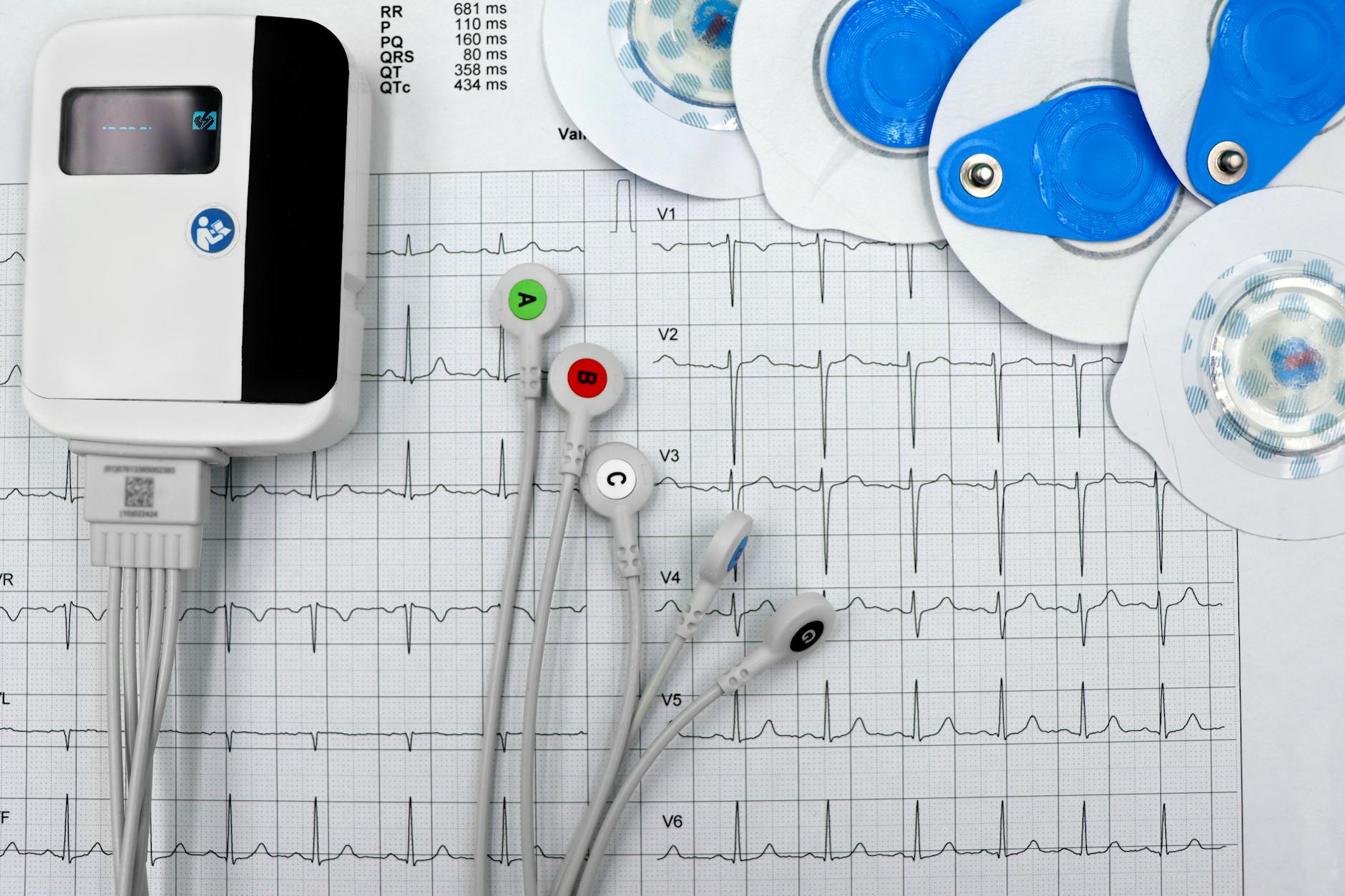
Too Much Plain Water? Yep, That’s a Thing
While rare, hyponatremia (too little sodium in the blood) can happen; especially if you’re sweating or guzzling water without eating enough salt or minerals.
More commonly? Subtle electrolyte imbalances that go unnoticed. You feel a little off, tired, bloated, or dizzy… but don’t know why.
It happens to:
- Breastfeeding moms
- Laborers and athletes in hot climates
- Teens in back-to-back practices
- Adults trying to “be healthy” by drinking tons of water without replenishing minerals
If your hydrating habits are making you feel worse instead of better, it might be time to rethink the balance.

What’s Happening in the Body (The Science Made Simple)
When hydration is on point:
- Your brain communicates clearly
- Hormones regulate smoothly
- Digestion moves with ease
- Energy feels steady; not spiked or crashed
- Your immune system clears waste and fights for you
- You sleep better, think sharper, and recover faster
When hydration is off:
- Cortisol spikes
- Hormones get messy
- Bloating and brain fog creep in
- Your body holds onto stress, inflammation, and toxins
Cortisol: your main stress hormone, gets stuck in high gear when hydration is low. When your blood volume drops slightly, the body registers it as a threat triggering cortisol to hold onto fluid and salt. The problem? High cortisol disrupts sleep, blood sugar, mood, and hormone cycles.
Your liver and kidneys: which filter toxins, process nutrients, and balance hormones, need water to function properly. Dehydration slows them down, making detox sluggish and hormone clearance inefficient.
Your lymphatic system: your immune drainage highway, is also water-dependent. Without hydration, it gets clogged leading to puffiness, congestion, immune dysfunction, and fatigue.
If you’re snapping easily, can’t think straight, or just feel off your brain might be asking for water. Sometimes the clearest thinking starts with the simplest fix: a hydrated brain.
When hydration is off, it’s like a train trying to run without rails. Your systems still “go,” but everything’s wobbly, inefficient, and eventually crashes.
How Much Water Do We Need?
Forget the gallon jug hype it’s not one-size-fits-all.
Start with half your body weight in ounces, spread out over the day. (If you weigh 140lbs., aim for 70 oz/day.) That’s your base level but hydration needs to rise and fall with your season.
Whether pregnant, breastfeeding, navigating hormone shifts, or working long hours in the sun, your body will ask for more. Hydration is dynamic. Listen to your body. Add an extra 24–30 oz per day when you’re:
- Sweating from work, exercise, or heat
- Under stress (yes, stress depletes hydration fast)
- Pregnant, breastfeeding, or sick
- Drinking coffee, soda, or alcohol
- Not sleeping well or recovering from illness
The key isn’t just to drink more, it’s to hydrate smarter.
When to Add Electrolytes (And Why It Matters)
Some moments demand more than plain water. You need to support your cells, not just fill your stomach.
Add electrolytes when:
- First thing in the morning: Your liver and kidneys have worked all night detoxing. You wake up dehydrated and mineral-depleted flush the system and support your filtration organs.
- After intense sweat or labor: You lose sodium, potassium, and magnesium through sweat replace them or feel the crash.
- When you’re sick or run down: Vomiting, diarrhea, stress, and immune response drain your electrolyte reserves fast.
- After caffeine or alcohol: These are diuretics. They increase fluid loss, especially if you don’t eat well alongside them.
- When symptoms show up: Cramping, constipation, fogginess, dizziness, and persistent fatigue can all be signs your electrolyte tank is empty.
Electrolyte support = cellular function = full-body rhythm.
What Do We Do? (How To Hydrate for Real)
Start with this:
- First thing in the morning: 10–16 oz of water with a pinch of sea salt and a squeeze of lemon
- Before, during, and after sweating: Add minerals back in
- Throughout the day: Sip, don’t chug. Eat water-rich foods (cucumbers, berries, citrus, greens).
- For your kids: Get them used to water with lemon or fruit slices instead of juice or soda. Teach them that hydration isn’t a punishment, it’s power.
Rooted Takeaways
✔️ Hydration is foundational, not optional
✔️ Electrolytes are essential, not extra
✔️ Many symptoms start with depletion, not dysfunction
✔️ Your body knows what it needs, listen to it
✔️ This isn’t pressure, it’s power
✔️ The way we care for ourselves teaches our kids how to care for theirs

The Big Picture:
It All Starts Here, over 70% of the earth is water. Your brain is 75% water. Every plant, animal, and human depend on it for survival.
This isn’t just about hydration, it’s about design. Water isn’t optional. It’s essential. This is the work God designed water to do. It’s not a “wellness tip.” It’s a creation code.
“But whoever drinks the water I give them will never thirst. Indeed, the water I give them will become in them a spring of water welling up to eternal life.” – John 4:14
Jesus called Himself the Living Water, our true source. Just as water sustains our bodies, He sustains our souls.
When we feel off balance, tired, or disconnected, we don’t need a quick fix we just need to return to the well. Back to what carries us. Back to the root.
When we teach our bodies to honor the basics to hydrate well, eat well, and rest well we’re not just “being healthy.” We’re returning to how we were always meant to live: Rooted in truth. Sustained by grace. Fueled by the simple things water, breath, movement, and faith.
And when we honor this design, we don’t just help ourselves. We teach our kids how to care for their bodies with intention. To live lives of grit, joy, and movement. Not from pressure, but from purpose.

Up Next: Pillar Two — Food as Fuel
The truth about blood sugar crashes, nutrient-starved bodies, and the way improper fuel wears us down. How real food rebuilds, heals, fuels the brain, and keeps our hormones steady.
How fad diets and junk food culture are wrecking generations and why our kids’ future depends on what we feed them now. Let’s get back to the basics.
Disclaimer: I am not a medical professional. The information shared in this post is based on personal research, ongoing wellness education, and trusted sources but it is not medical advice. Always consult with your primary care provider before making changes to your diet, hydration, supplements, or wellness routine, especially if you are pregnant, nursing, taking medication, or managing any health conditions.
Sources & Trusted Research:
- Popkin, B.M., D’Anci, K.E., & Rosenberg, I.H. (2010). Water, Hydration, and Health. Nutrition Reviews, 68(8), 439–458. https://academic.oup.com/nutritionreviews/article/68/8/439/1911955
- Maresh, C.M. et al. (2006). Effects of Dehydration and Rehydration on Cortisol Response to Exercise. International Journal of Sports Medicine. https://pubmed.ncbi.nlm.nih.gov/16586136/
- National Institutes of Health (NIH). Electrolytes and Their Role in the Body. https://medlineplus.gov/ency/article/002350.htm
- National Kidney Foundation. Your Kidneys and Water. https://www.kidney.org/atoz/content/water
- Moore, K.L., Dalley, A.F., & Agur, A.M. (2013). Clinically Oriented Anatomy (7th ed.). ➞ Lymphatic drainage and fluid movement in relation to hydration
- Institute of Medicine. Dietary Reference Intakes for Water, Potassium, Sodium, Chloride, and Sulfate. https://www.nap.edu/read/10925/chapter/6
 Mountain Root Wellness
Leave a comment