Everyday Nourishment, Whole-Body Purpose
If hydration is the foundation, nutrition is the framework. If we don’t understand the framework, we keep patching symptoms instead of rebuilding the structure. That’s why this matters. Full understanding is where healing begins.
Food is more than fuel. It’s instruction. Every bite you take sends a message to your body about whether to fight inflammation or feed it, to build resilience or break it down, to stabilize or spiral.
Every cell, tissue, and organ depends on the nutrients we provide to function, repair, and thrive. Nutrition impacts your energy, mood, hormones, metabolism, immune response, digestion, and even the way you think and love and heal.
Whether you’re a busy dad, a first-time mom, a teen trying to stay awake in school, a woman navigating perimenopause, or a single person trying to find a balance between survival mode and self-respect, food matters. It’s how we were created.
God designed our bodies to run on real, living food. He gave us what we need: fruits, vegetables, animals, and grains. What we eat is meant to sustain the work he called us to do, body, mind, and soul.
Convenience might feel like survival in this fast-paced world. But over time, processed, nutrient-poor foods become the very trap that drains our energy, clouds our minds, and breeds dysfunction.
Let’s get back to the root. Let’s understand not fear how food shapes us from the inside out.

Nutrition: It Starts at the Cellular Level
Your cells don’t care what the food looks like on your plate. They care whether it gives them:
- Amino acids to rebuild tissue and support neurotransmitters
- Glucose to fuel cellular energy (ATP)
- Fatty acids to regulate hormones and build brain tissue
- Micronutrients (vitamins/minerals) to trigger enzyme reactions, protect against disease, and detox waste
From mental clarity to hormone balance to joint health and digestion it all starts here. When those systems work together that’s whole-body health.

Protein: Repair, Resilience, and Real Strength
Protein is essential for every stage of life. It’s the raw material for enzymes, hormones, muscle, connective tissue, and immune function.
- Repairs tissue after stress, workouts, or illness
- Builds muscle, strengthens bones, and supports ligaments
- Produces neurotransmitters that regulate mood
- Supports detoxification and blood sugar balance
Everyday use cases:
- Kids need protein for brain and body development
- Adults need it to stay strong, focused, and energized
- Pregnant women need it to grow life and recover after birth
- Older adults need more to prevent muscle loss and support longevity
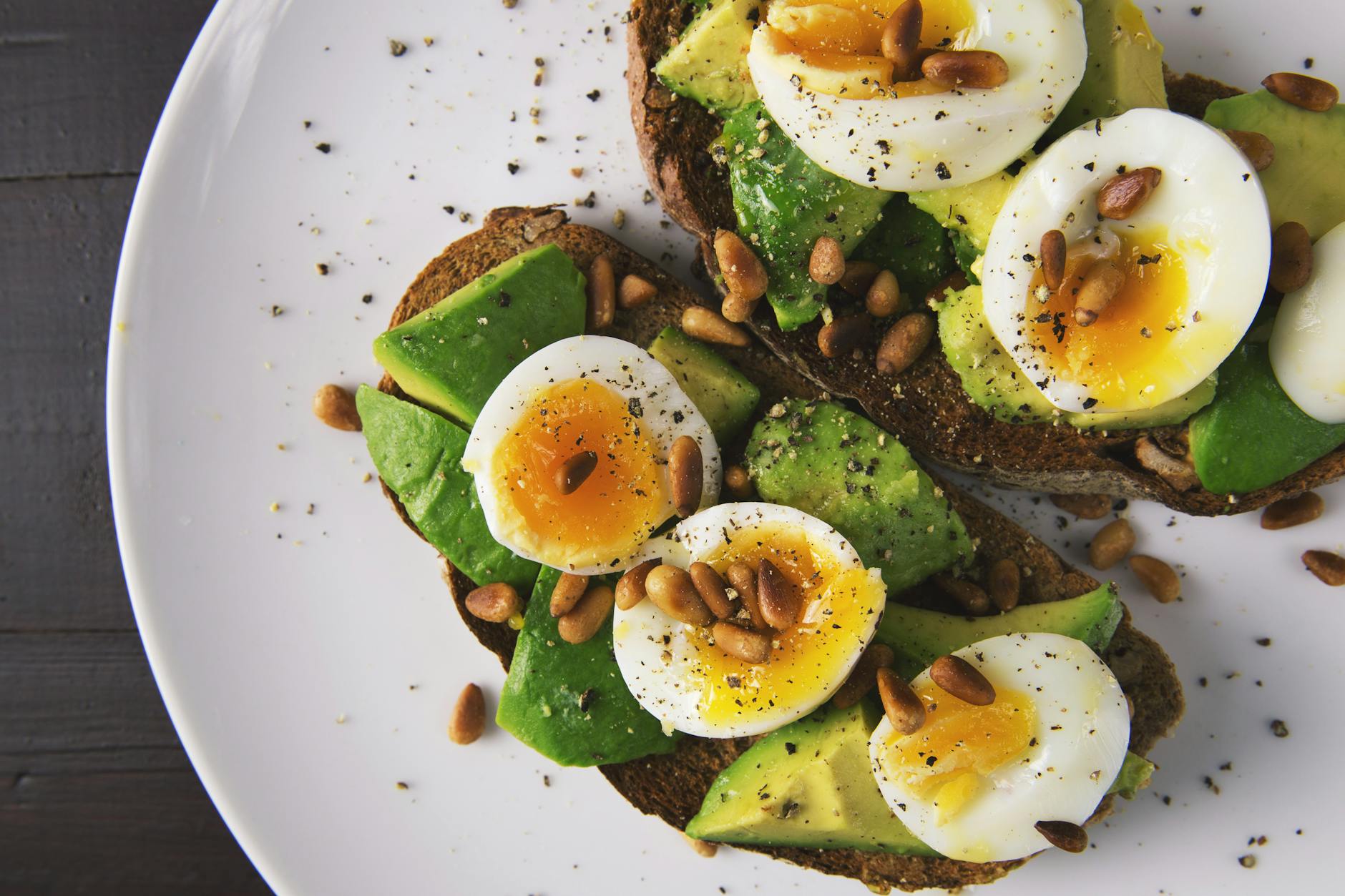
Better options: Eggs, chicken, turkey, ground beef, salmon, Greek yogurt, cottage cheese, bone broth, protein powder.
(Liver is powerful but not for everyone. Opt for quality protein blends rich in B vitamins and iron.)
Carbohydrates: Glucose Is Not the Enemy
Your body needs carbs. Glucose is the brain’s preferred fuel and essential for energy production.
What matters is the type of carbohydrate:
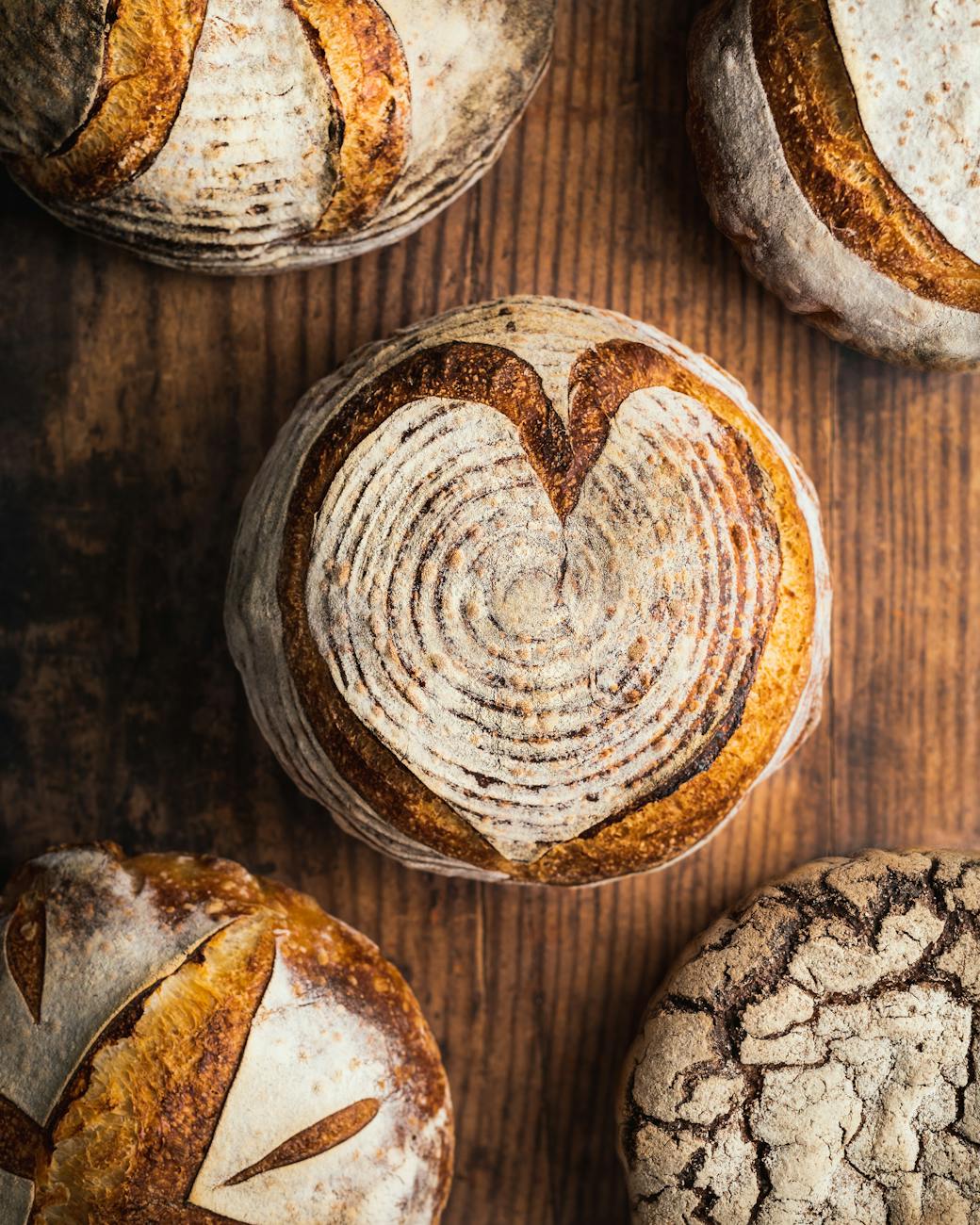
- Whole fruit, oats, sweet potatoes? Great.
- Refined sugar, white bread, and soda? Bad.
Carbs provide:
- Quick energy for movement and thinking
- Fiber for digestion and microbiome health
- Storage fuel for times of stress and rebuilding
Choose: Berries, apples, bananas, steel-cut oats, sweet potatoes, squash, whole grains, and simple brown rice if tolerated.
Pair carbs with protein or fat to prevent spikes and crashes.
Fats: Hormones, Brain Health, and Absorption
Your brain is 60% fat. Every hormone in your body is built from fat. Fat helps absorb fat-soluble vitamins like A, D, E, and K.
Healthy fats support:
- Balanced hormones
- Nervous system function and focus
- Vitamin absorption and reduced inflammation
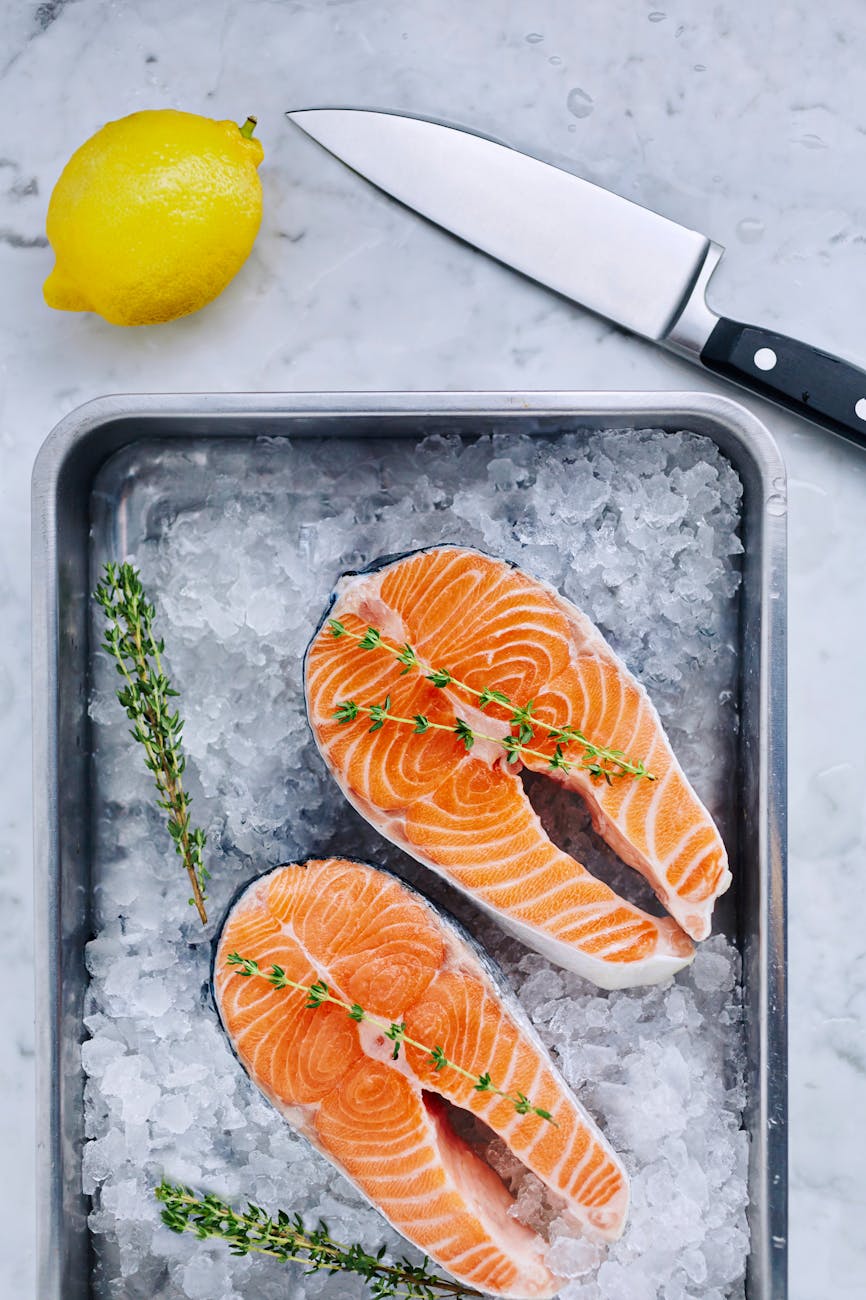
What to eat: Avocados, olive oil, nuts, seeds, grass-fed butter, full-fat dairy, pasture-raised eggs, fatty fish such as salmon.
Avoid inflammatory oils like soybean, canola, and processed vegetable oils.
What is DHA?
DHA (docosahexaenoic acid) is an omega-3 fatty acid critical for brain and eye development, especially during pregnancy and infancy. You can get it from fatty fish (salmon, sardines, mackerel) or fish oil supplements
Micronutrients: The Spark Plugs of Life
Micros drive every function in the body:
- Magnesium supports muscle relaxation, sleep, and stress regulation
- Iron carries oxygen to cells and tissues
- Zinc supports immunity and reproductive health
- B Vitamins fuel metabolism, mood, and focus
These are found in:
- Leafy greens, colorful produce
- Shellfish, pasture-raised eggs, sardines
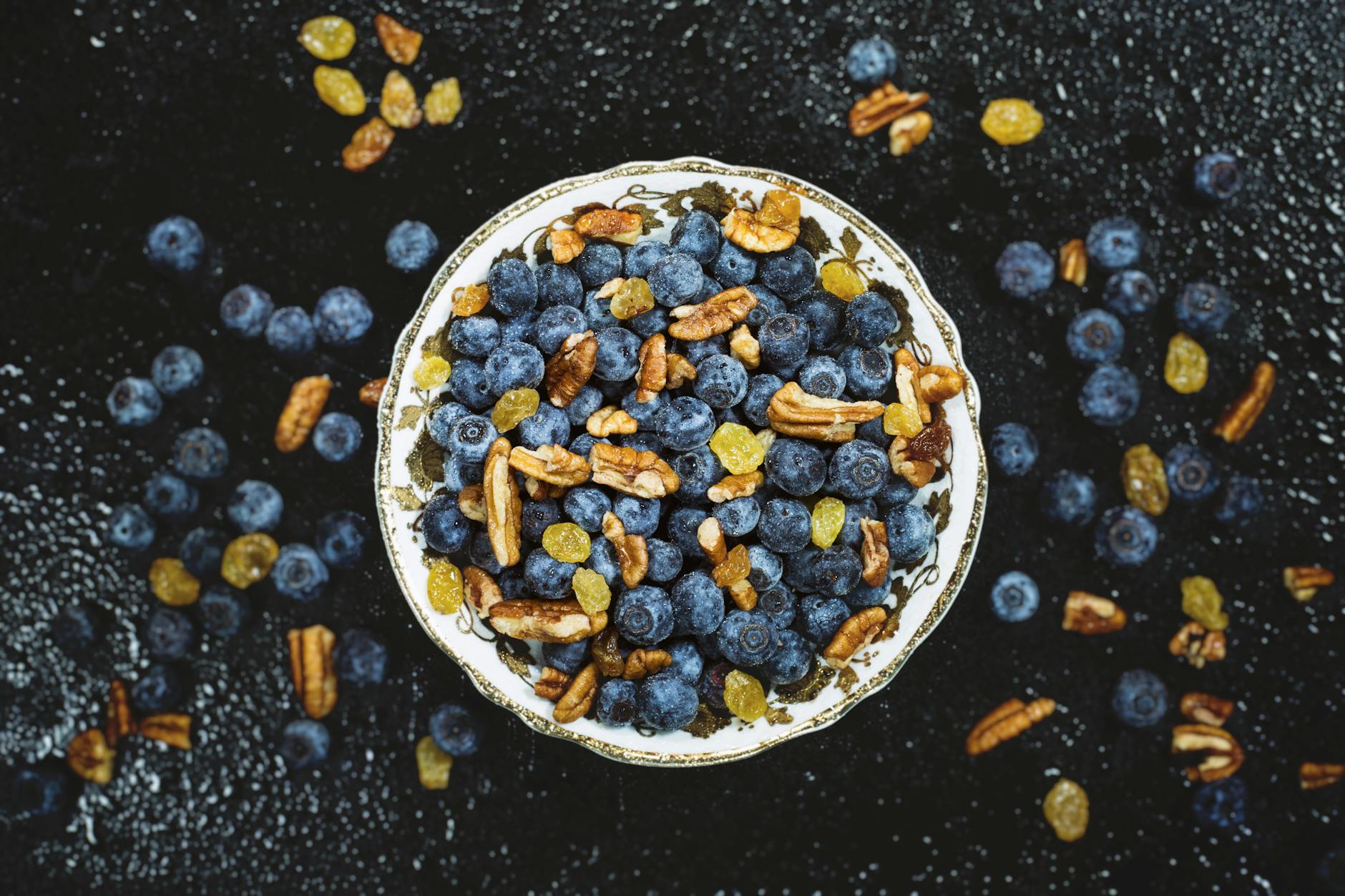
- Nuts, seeds, beans, and whole grains
Digestion: It’s Not What You Eat, It’s What You Absorb
Poor digestion leads to poor absorption, even if your diet is perfect. Stress, dehydration, and processed foods break down enzyme function and gut lining integrity.
Signs of poor digestion:
- Gas and bloating
- Constipation or loose stools
- Skin issues
- Brain fog
Support digestion by:
- Chewing slowly
- Eating in peace
- Drinking water between meals
- Adding fermented foods (yogurt, kefir, sauerkraut)

Gut Check: Your Second Brain’s Got a Lot to Say
Here’s something we’re not taught enough:
Your gut isn’t just for breaking down food it’s one of the main places your emotions get processed.
There’s an actual highway called the gut-brain axis that connects your belly to your brain. It’s why you get butterflies when you’re nervous or lose your appetite when you’re stressed. Over 90% of your serotonin that feel good, keep it together brain chemical is made in your gut. So when your digestion’s off you feel foggy, you’re on edge, your mood drops and your energy tanks. You might snap more easily, sleep less soundly, or spiral without knowing why. That’s your gut flagging down your brain.
And it goes deeper: When your gut lining gets damaged by processed foods, chronic stress, dehydration, antibiotics, or seed oils it can become leaky. That means stuff that should stay in your gut slips into your bloodstream, triggering inflammation and sending danger signals to your nervous system.
That stress loop? It starts from the inside out.
- Mood swings
- Hormonal crashes
- Skin flares
- Even autoimmune flares
The good news: You don’t need a fancy protocol. You need to start with respecting the root.
Gut-Loving Habits That Actually Work:
- Eat colorful, real food that actually rots your gut bugs thrive on diversity
- Add in fermented stuff (yogurt, kefir, sauerkraut, even good-quality pickles)
- Ditch the junk refined sugar, seed oils, fake flavorings they wreck your gut lining
- Chew your food don’t inhale it, digestion starts in the mouth
- Drink water between meals, not during give your stomach acid room to work
- Breathe before eating. Stress tightens the gut. Relaxation opens digestion.
You don’t need to be perfect. But you do need to be intentional.
Because when your gut is calm? Your brain follows. Your energy lifts. Your mood steadies.

Metabolism: What Fuels It and What Slows It
Metabolism isn’t just about how fast you “burn” calories. It’s the sum of every chemical process your body uses to stay alive breathing, thinking, moving, healing, and maintaining balance.
A healthy metabolism depends on:
- Hydration (dehydration slows every process)
- Balanced protein and nutrient intake
- Stress reduction (cortisol slows thyroid function)
- Micronutrient sufficiency (especially iodine, selenium, B vitamins, and iron)
Crash diets, under-eating, and long-term restrictions all wreck metabolic function over time. Fueling well restores metabolic resilience.

Lifespan Nutrition: What You Need, When You Need It
- Kids & Teens: High demand for protein, healthy fats, calcium, iron, and B vitamins
- Pregnant/Postpartum: DHA, protein, iron, vitamin C, collagen, magnesium, folate
- Men: More calories, consistent protein, omega-3s, zinc, and magnesium
- Women: Balanced hormones need fats, iron, B12, calcium, and protein
- Older adults: More protein, vitamin D, B12, and magnesium to maintain muscle and mental sharpness

The Disease Pathway: How Poor Nutrition Breaks the Body
When we eat too little of the good or too much of the process this is what follows:
- Too much sugar + low fiber → insulin resistance → blood sugar spikes → fatigue → diabetes → nerve damage → cardiovascular disease
- Excess inflammatory fat + low antioxidants → oxidative stress → arterial damage → hardened arteries → high blood pressure
- Low protein + weak gut lining → leaky gut → immune reactivity → autoimmune disease and nutrient deficiency
- Low minerals + poor fat intake → hormone collapse → fertility issues, thyroid dysfunction, low libido
- Poor hydration + nutrient void diet → kidney strain, liver sluggishness, cognitive decline
This isn’t about fear it’s physiology. The body can only do what it’s supposed to do.

Debunking Sodium: Friend or Foe?
Yes, sodium causes water retention but only when unbalanced.
Your body needs sodium to:
- Maintain blood volume and hydration
- Contract muscles and send nerve signals
- Regulate hormones (cortisol)
What causes issues:
- Refined table salt + highly processed foods (fast food, packaged snacks)
- Too little water or potassium to balance it
What helps:
- Natural sea salt or pink salt, paired with hydration and potassium-rich foods like citrus, greens, and avocados
- Drinking water with electrolytes, especially when sweating, under stress, or fatigued
Salt isn’t the villain. It’s the context that matters.

The Nervous System, Mental Health & Inflammation
Your nervous system relies on consistent nourishment to regulate emotions, handle stress, and keep your thoughts clear. When nutrition suffers, so does mental stability.
Without proper nutrients:
- Blood sugar crashes create mood swings and anxiety
- Low B vitamins and magnesium contribute to depression and irritability
- Lack of omega-3 fats weakens brain function and attention
Chronic inflammation, often driven by poor food choices, worsens everything:
- High sugar intake increases cytokines (inflammatory messengers)
- Inflammation disrupts neurotransmitter function
- It impairs gut health
What helps:
- Balance your blood sugar with protein, fiber, and fat
- Eat omega-3-rich foods like salmon, sardines, walnuts, and chia seeds
- Support your gut: fermented foods, fiber, and hydration
Your mind and mood are built on what you eat. Feed your nervous system.
What Happens When You Fuel Well
- Hormones regulate naturally
- Blood sugar stabilizes
- Bloating, fatigue, and cravings fade
- Brain fog lifts, energy becomes steady
- Immune system strengthens
- Skin, sleep, and mood all improve
You begin to function the way God designed you to not just to survive, but to thrive.
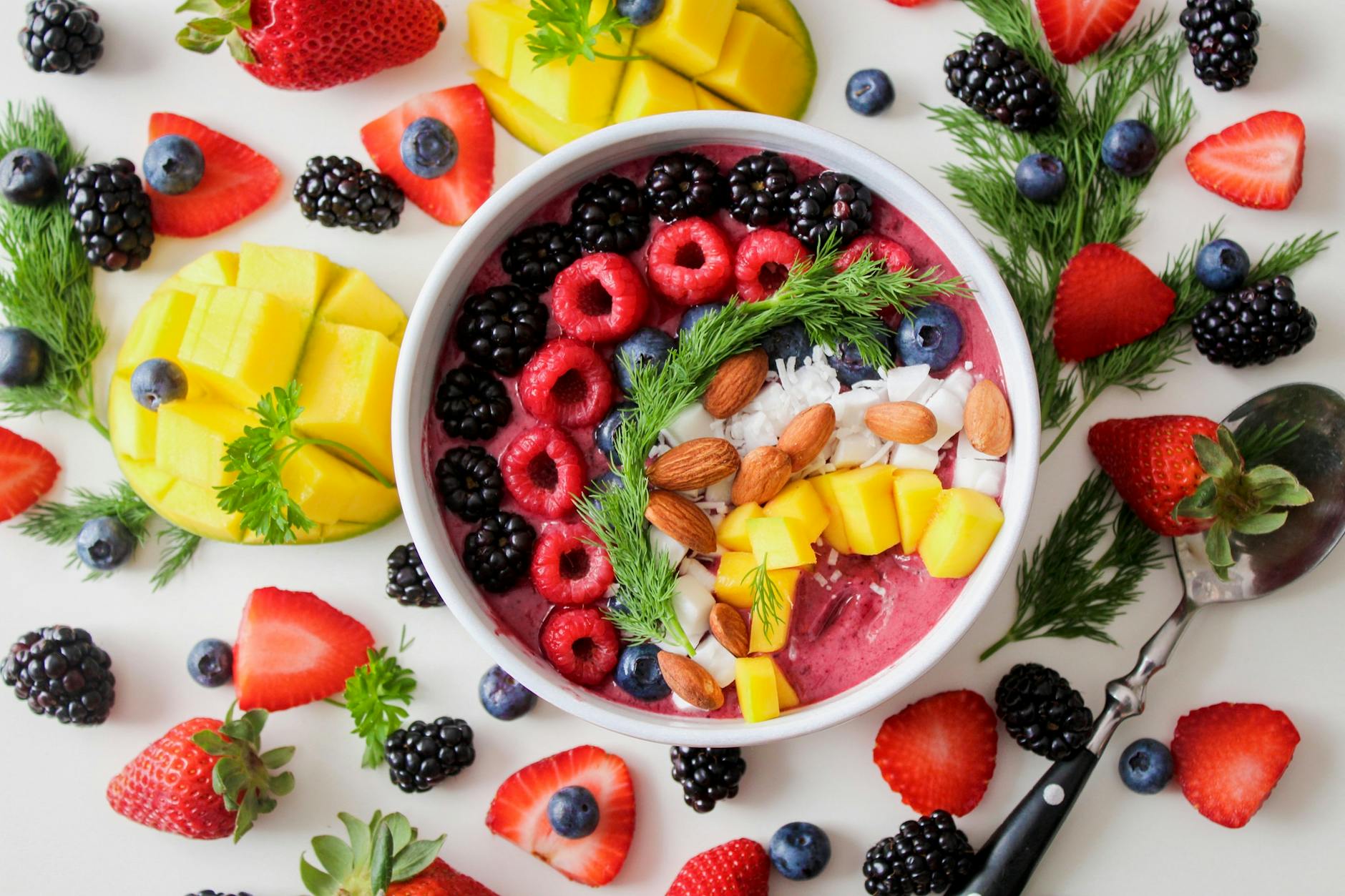
Real Food, Daily Life
- Eat protein at every meal
- Add color from fruits and vegetables
- Choose carbs that come from plants
- Include healthy fats and minerals
- Hydrate don’t just drink, absorb it
Teach your kids what you learn. Show them that food is power. That it matters. That it can be simple, life-giving, and sacred.
This isn’t a lecture. It’s a reminder of what your body already knows.
Return to the root. Eat like you were created to.
Up Next: Section Three—Movement That Makes Sense
We’re not here to punish our bodies. We’re here to use them—purposefully, powerfully, daily. Let’s keep going—back to the basics, back to the root.
Disclaimer:
I am not a medical professional. The information shared in this post is based on personal research, ongoing wellness education, and trusted sources—but it is not medical advice. Always consult with your primary care provider before making changes to your diet, hydration, supplements, or wellness routine—especially if you are pregnant, nursing, taking medication, or managing any health conditions.
 Mountain Root Wellness
Leave a comment